
In today’s modern lifestyle, the quality of indoor air is as essential as the food we eat or the water we drink. With buildings becoming more airtight and energy-efficient, proper ventilation is no longer optional—it’s essential. A fresh air circulation system ensures that your home or workplace maintains healthy air quality while reducing pollutants, allergens, and harmful particles. In this comprehensive guide, we’ll explore air ventilation solutions, the benefits of clean room ventilation systems, and how a central ventilation system can transform your living environment.
Understanding Air Ventilation Solutions
Air ventilation solutions refer to systems designed to exchange stale indoor air with fresh outdoor air, controlling humidity, odors, and pollutants. These solutions range from simple exhaust fans to advanced central ventilation systems that serve multiple rooms simultaneously. Proper ventilation is critical for maintaining indoor comfort, reducing health risks, and improving energy efficiency.
Modern air ventilation solutions are tailored to specific environments:
Residential: Homes need continuous airflow to prevent mold, reduce indoor pollutants, and maintain comfort.
Commercial: Offices, schools, and gyms require sophisticated systems that manage large spaces efficiently.
Industrial & Clean Rooms: Manufacturing and medical facilities rely on clean room ventilation systems to prevent contamination and maintain strict hygiene standards.
What is a Fresh Air System?
A fresh air system is a specialized component of modern ventilation designed to bring in outdoor air while filtering out dust, pollen, and other airborne pollutants. Unlike conventional ventilation, which may recirculate indoor air, a fresh air system guarantees a constant supply of clean, oxygen-rich air.
Benefits of installing a fresh air system include:
Improved respiratory health by reducing exposure to indoor pollutants.
Enhanced energy efficiency by pre-conditioning incoming air in conjunction with HVAC systems.
Better humidity control helps prevent mold growth and structural damage.
A comfortable living environment that supports overall wellness.
How a Fresh Air Circulation System Works
A fresh air circulation system is more than just an air blower or fan. It integrates filters, ducts, and smart controllers to ensure clean and consistent airflow throughout a building. Here’s a simplified breakdown of its operation:
Air Intake: Outdoor air is drawn into the system through vents equipped with high-quality filters.
Filtration: The air passes through multiple filtration layers to remove dust, pollen, bacteria, and other harmful particles.
Distribution: Conditioned and filtered air is circulated evenly throughout rooms using a network of ducts.
Exhaust: Stale indoor air is expelled from the building, maintaining a continuous exchange of fresh air.
The system can be adjusted based on occupancy, season, or specific air quality needs, making it highly adaptable for both residential and commercial environments.
Importance of Clean Room Ventilation Systems
For spaces requiring stringent hygiene, such as laboratories, hospitals, or pharmaceutical facilities, clean room ventilation systems are indispensable. These systems:
Maintain a controlled environment free of airborne contaminants.
Ensure that air pressure, temperature, and humidity remain consistent.
Use HEPA and ULPA filters to trap particles as small as 0.3 microns.
Support compliance with industry standards like ISO 14644.
Even for ordinary homes, adopting principles from clean room systems—such as high-quality filtration and consistent airflow—can dramatically improve indoor air quality.
Central Ventilation System: The Backbone of Efficient Airflow
A central ventilation system integrates the entire building’s air circulation into one cohesive network. Unlike localized solutions, central systems manage airflow across multiple rooms and floors, ensuring uniform air quality. Key features include:
Balanced Ventilation: Equalizes air intake and exhaust to maintain consistent pressure and airflow.
Energy Efficiency: Modern systems recover heat from exhaust air to reduce energy costs.
Intelligent Control: Sensors monitor air quality and automatically adjust airflow, making the system responsive to indoor conditions.
Installing a central ventilation system may involve an initial investment, but it pays off through enhanced comfort, lower energy bills, and improved long-term health benefits.
Benefits of Implementing Air Ventilation Solutions
Investing in air ventilation solutions provides both immediate and long-term advantages:
Healthier Air Quality: Reduces exposure to pollutants, allergens, and airborne pathogens.
Comfortable Living Spaces: Maintains optimal temperature, humidity, and airflow.
Energy Efficiency: Modern systems reduce dependency on heating and cooling, lowering energy costs.
Prevention of Structural Damage: Proper ventilation prevents moisture accumulation, which can lead to mold and structural decay.
Enhanced Productivity: In commercial spaces, improved air quality correlates with better concentration and fewer sick days.
Choosing the Right System for Your Space
Selecting the ideal air ventilation solution depends on factors such as building size, occupancy, and specific air quality requirements. Here are some guidelines:
Small Apartments or Homes: Simple, fresh air systems or localized ventilation may suffice.
Medium to Large Homes: A fresh air circulation system integrated with HVAC offers consistent comfort.
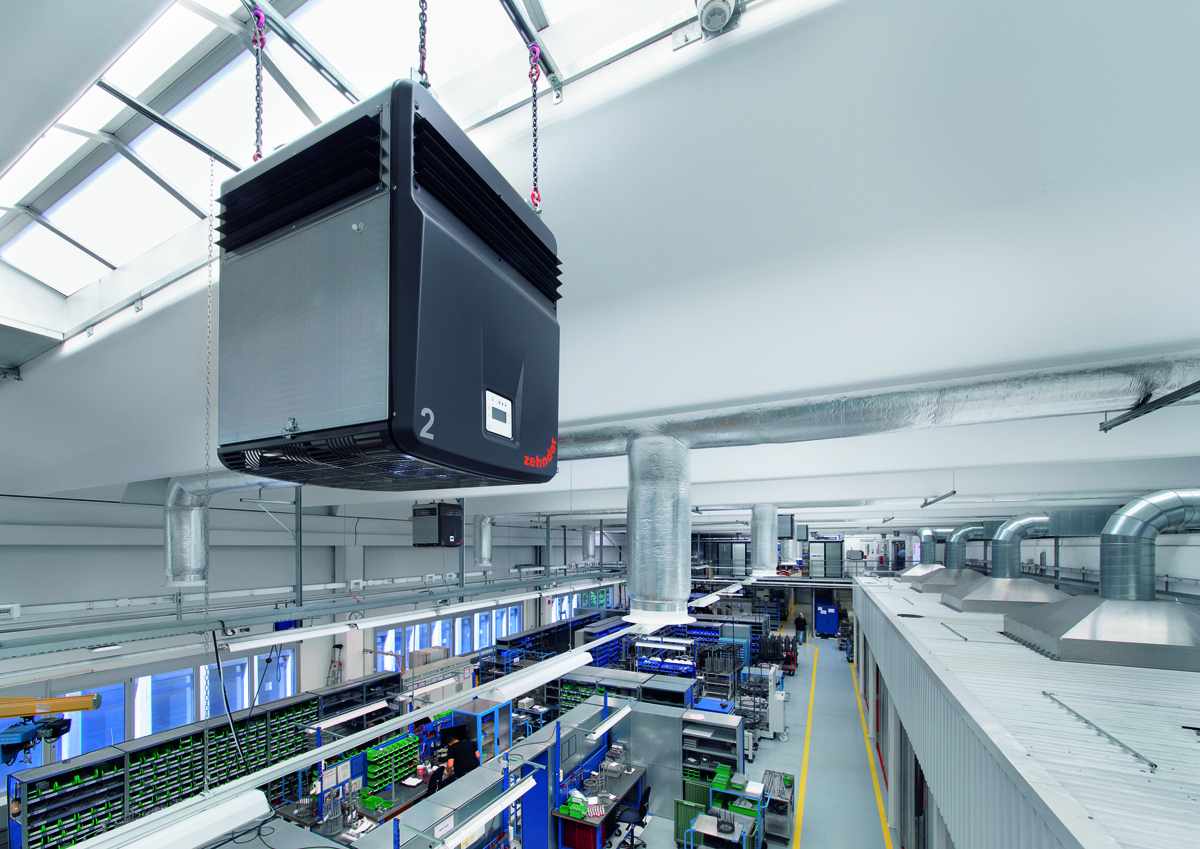
Commercial & Industrial Spaces: A combination of clean room ventilation systems and central ventilation systems ensures compliance, efficiency, and superior air quality.
When evaluating options, consider the system’s filtration efficiency, energy consumption, noise levels, and ease of maintenance. Consulting professionals can help tailor solutions to meet both your health and budgetary requirements.
Conclusion
Air quality is no longer just a comfort feature—it is a cornerstone of healthy living. A fresh air circulation system, supported by advanced air ventilation solutions like clean room ventilation systems and central ventilation systems, ensures that your indoor environment is safe, comfortable, and energy-efficient. By prioritizing ventilation, you not only protect your health but also enhance productivity and overall quality of life.
Investing in modern ventilation technology today is an investment in long-term wellness. Whether it’s your home, office, or specialized facility, embracing clean air solutions transforms your space into a healthier, happier environment.

Write a comment ...